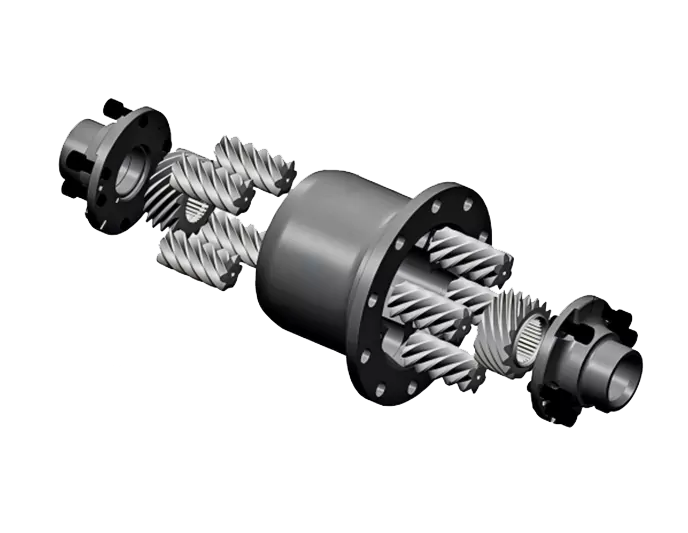
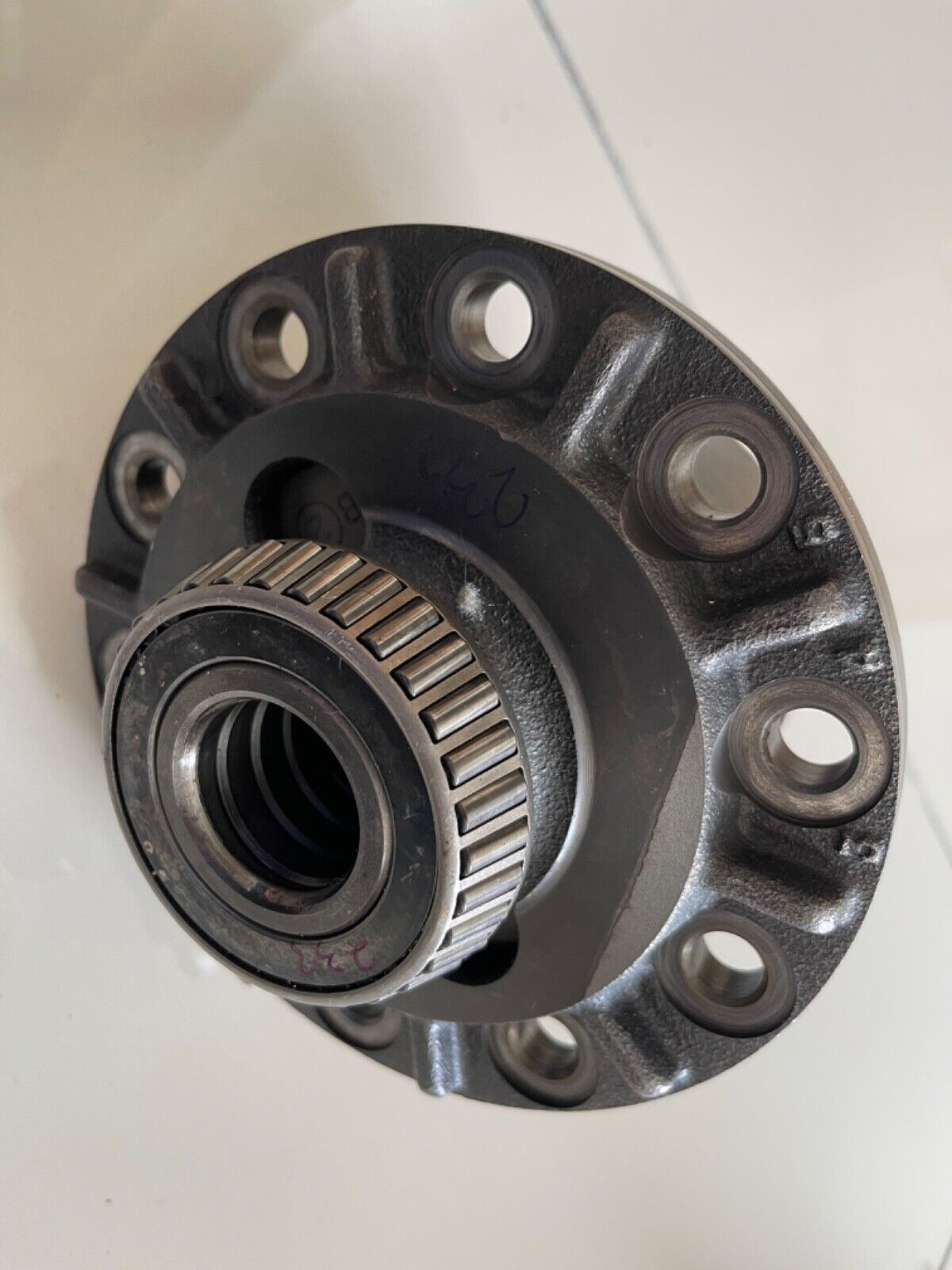
These limited-slip differentials use helical gears, clutches or cones (an alternative type of clutch) where the engagement force of the gears or clutch is a function of the input torque applied to the differential (as the engine applies more torque the gears or clutches grip harder and Trq d increases). ZF LSD - clutch stack visible on left ZF LSD - spider pinion shaft ramps visible Torque.. There's a bit of terminology to know (see illustration below) before understanding how viscous limited-slip differentials work. As is generally the case, many of the terms have alternative names.


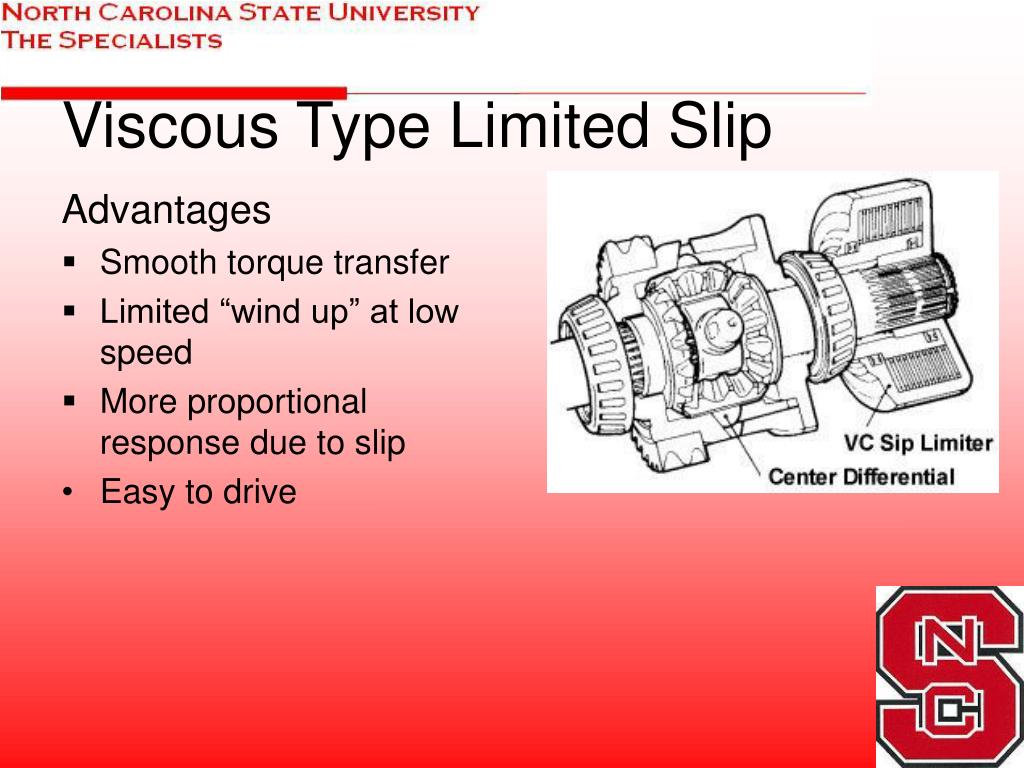



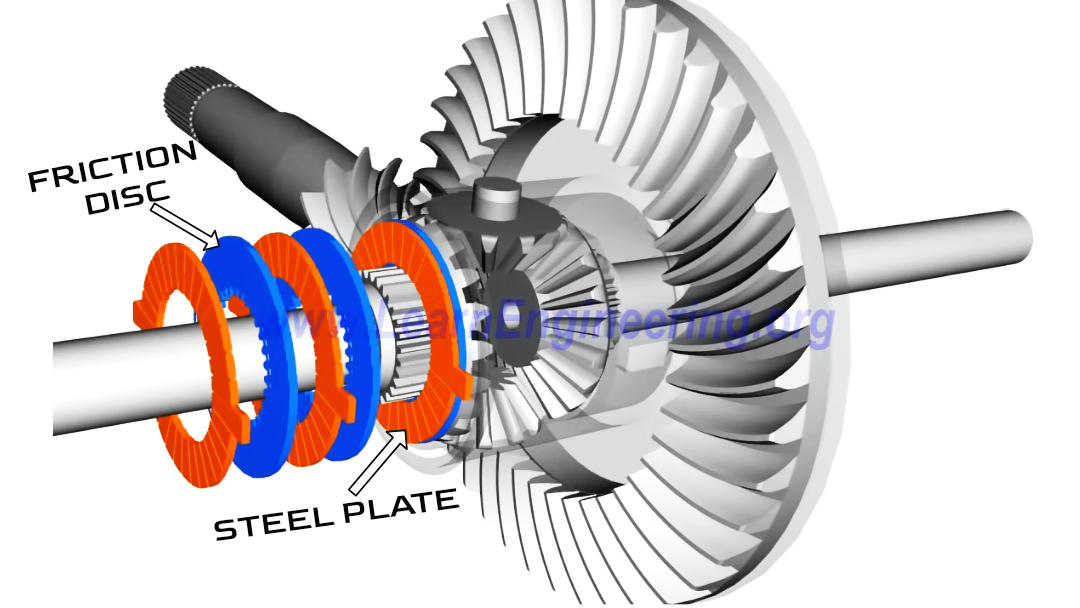


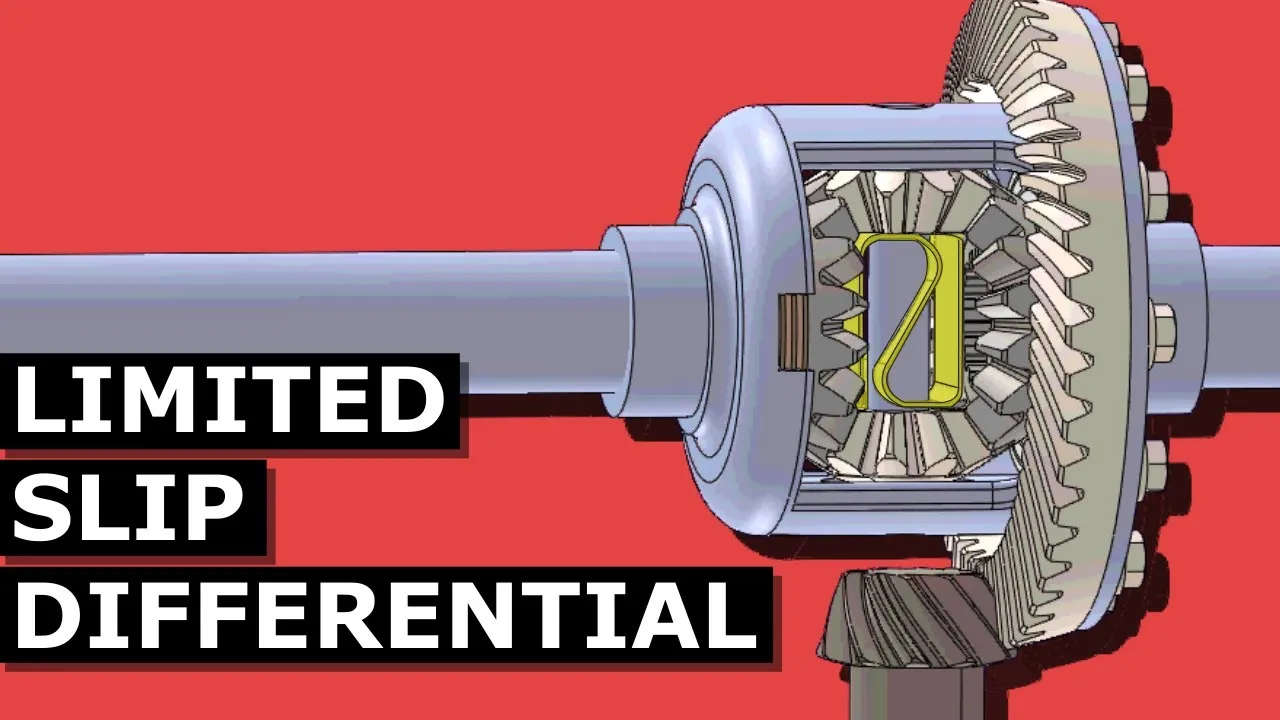

The document summarizes the construction and operation of a limited slip differential (LSD) of the viscous coupling type. The LSD contains inner and outer plates arranged alternately that are splined to the differential case and side gear. Silicone oil between the plates creates resistance to automatically limit differential action and distribute torque equally between the wheels when they.. The V/C (viscous coupling) type LSD has outer pl ates and inner plates arranged alternately. Each outer plate is splined to the inside of the differential case at its outer periphery and each inner plate is splined to the outer circumference of the left side gear at its inner periphery. The outer plates are held in position by spacer rings while the inner plates can slide in the axial di.