Poisonwood Bible Methuselah Quotes Exploring Family Dynamics In The
Web.Mastas.Online·
Beginner the definite article the is the most frequent word in english.. “the” is a small word, but it plays a big role in english!
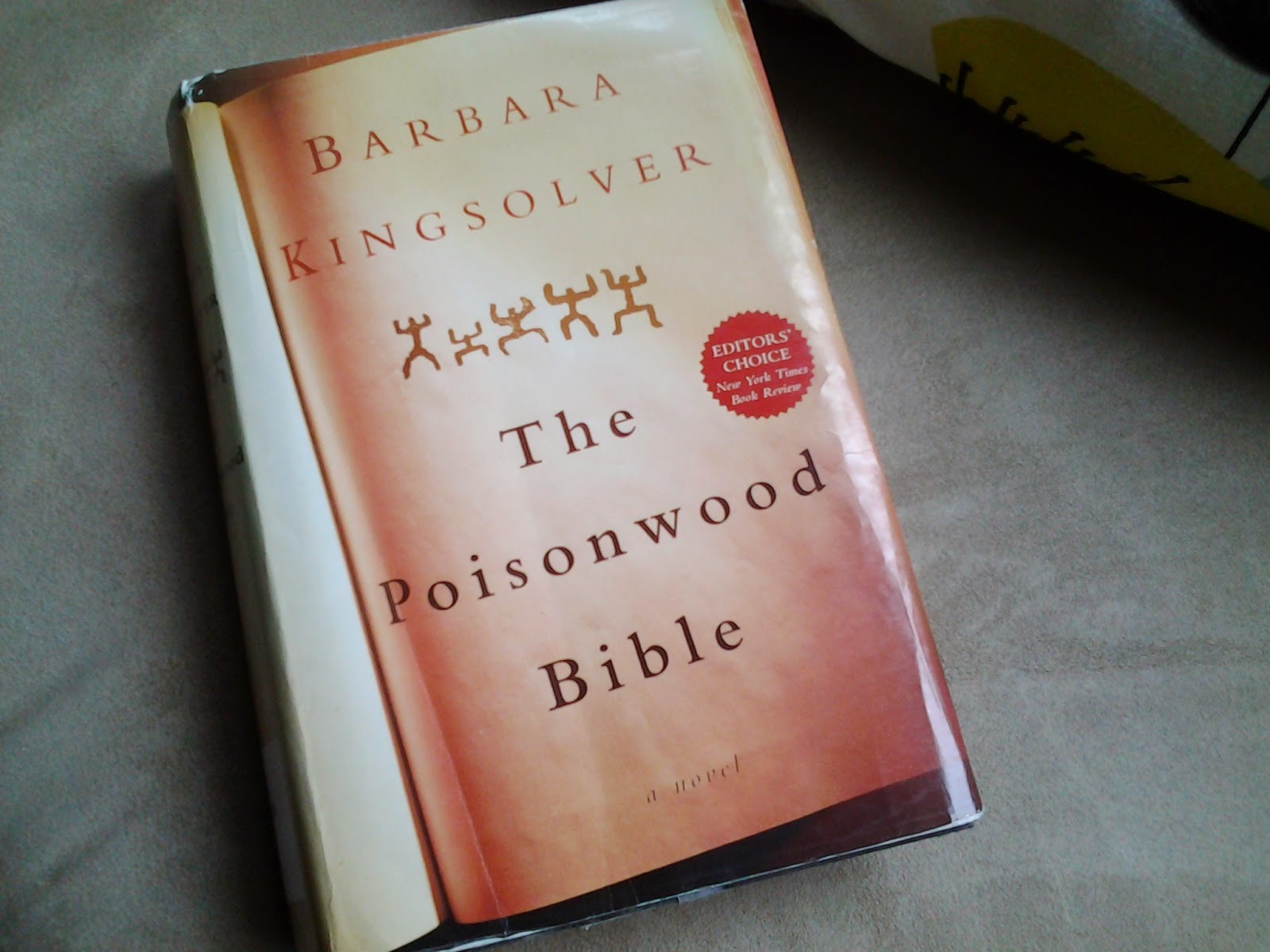
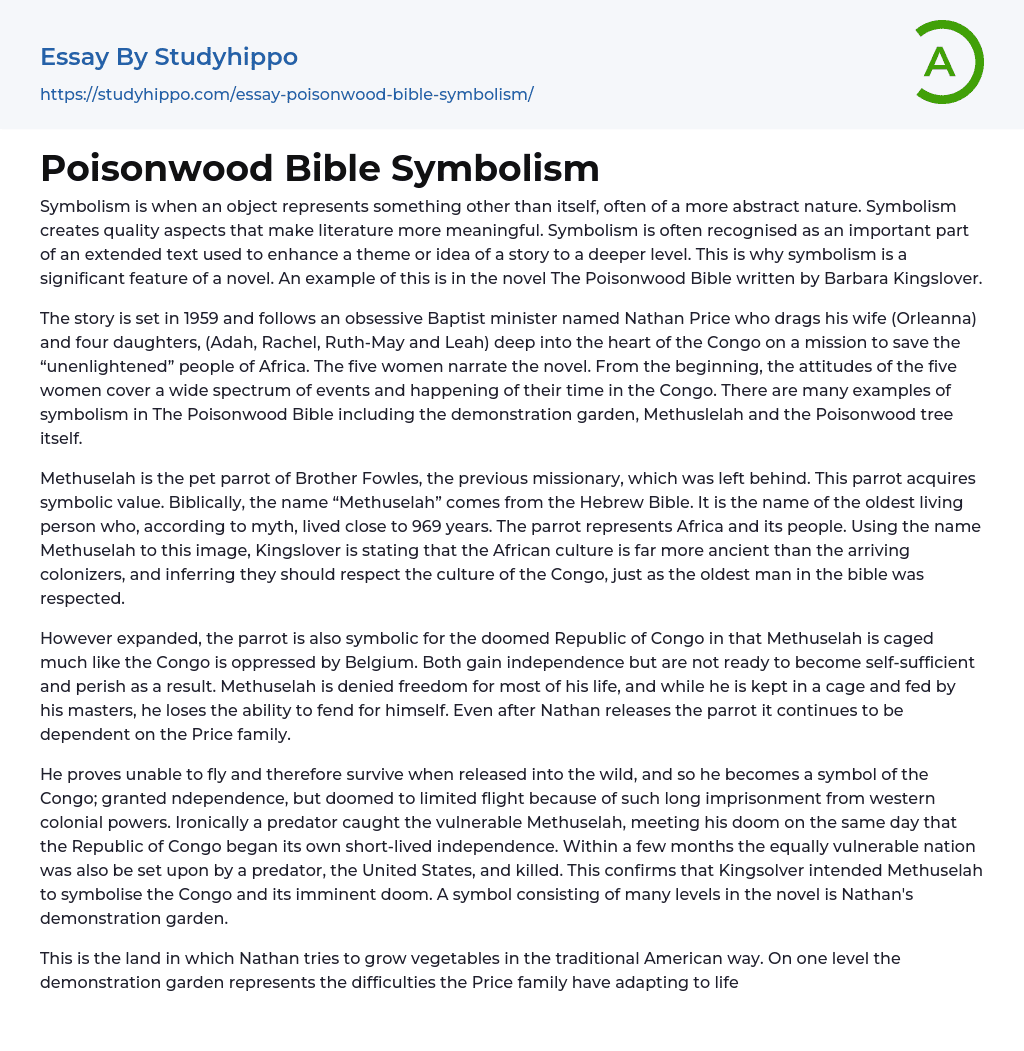
The Poisonwood Bible by Barbara KingsolverThe Poisonwood Bible by Barbara KingsolverWhy read The Poisonwood Bible?Lot †Barbara Kingsolver, "The Poisonwood Bible", first edition,poison wood bible article assigment Jiwoo's EnglishThe Poisonwood Bible by Barbara Kingsolver (Faber Edition) T's TextbooksPPT THE POISONWOOD BIBLE PowerPoint Presentation, free download IDThe Poisonwood BibleThe Poisonwood Bible"The Poisonwood Bible" Summary Unpacking Kingsolver's MasterpieceThe Poisonwood Bible HarperCollins PublishersGreen Mamba Snake Poisonwood Bible'The Poisonwood Bible Art' Poster, picture, metal print, paint byThe Poisonwood Bible Unit by S J Brull TPTPoisonwood Bible Methuselah Quotes Exploring Family Dynamics In TheThe Poisonwood Bible 9780060175405 Kingsolver, Barbara BooksThe Poisonwood Bible by Barbara Kigsolver Books & Shop FaberPoisonwood Bible Symbolism Essay ExamplePPT The Poisonwood Bible PowerPoint Presentation, free download IDThe Poisonwood Bible Alchetron, The Free Social EncyclopediaThe Poisonwood Bible by Barbara Kingsolver GoodreadsThe Poisonwood Bible (First Edition) by Kingsolver, Barbara Near FineTHE POISONWOOD BIBLE Signed Barbara Kingsolver First Edition, FirstBarnes & Noble The Poisonwood Bible by Barbara Kingsolver Macy'sPPT The Poisonwood Bible PowerPoint Presentation, free download IDThe Poisonwood Bible by Barbara Kingsolver UNIT BUNDLEThe Poisonwood Bible A Novel (covers may vary) Kingsolver, BarbaraThe Poisonwood Bible Kingsolver, Barbara 9780060995386 BooksThe Poisonwood Bible Overview and Analysis PDF BaptismThe Poisonwood Bible by Barbara Kingsolver Read Free Online Full
We use the definite article in front of a noun when we believe the listener/reader knows exactly what we are referring to:. The is usually pronounced (ðə ) before a consonant and (ði ) before a vowel, but pronounced (ði ) when you are.