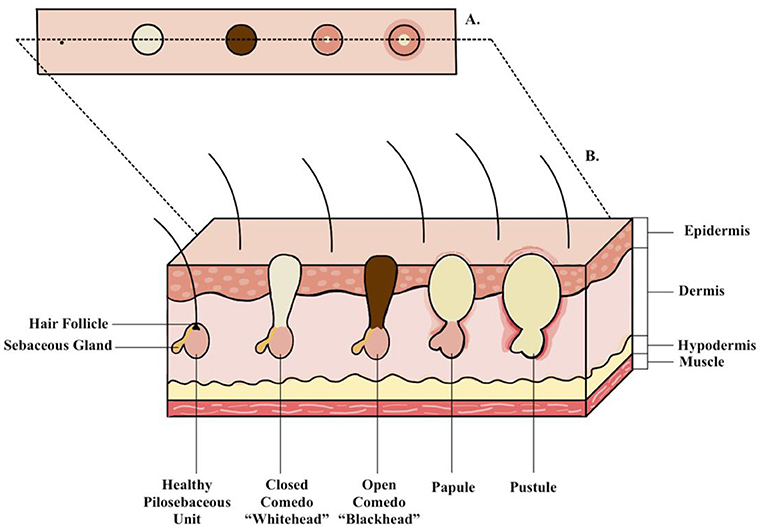
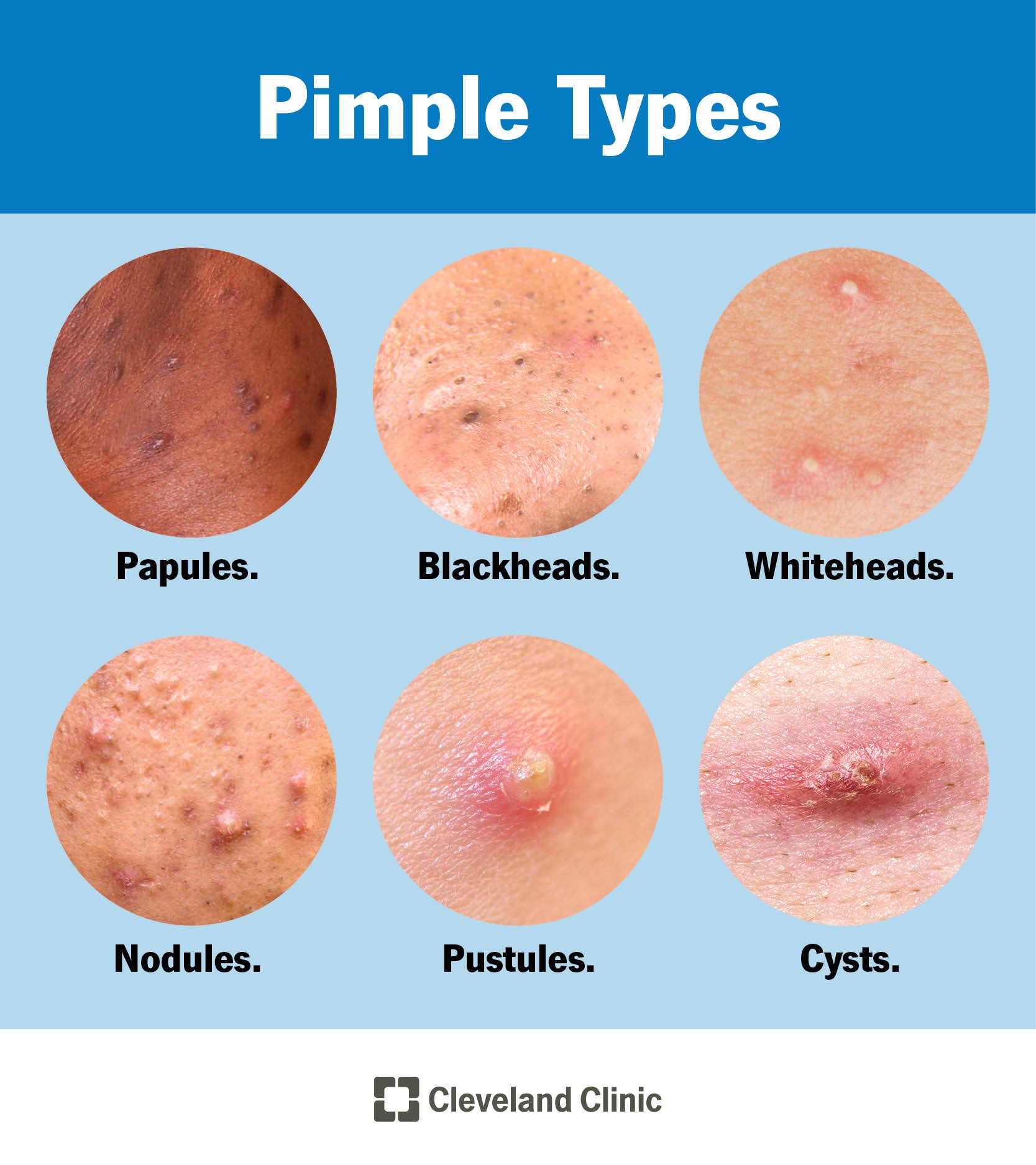
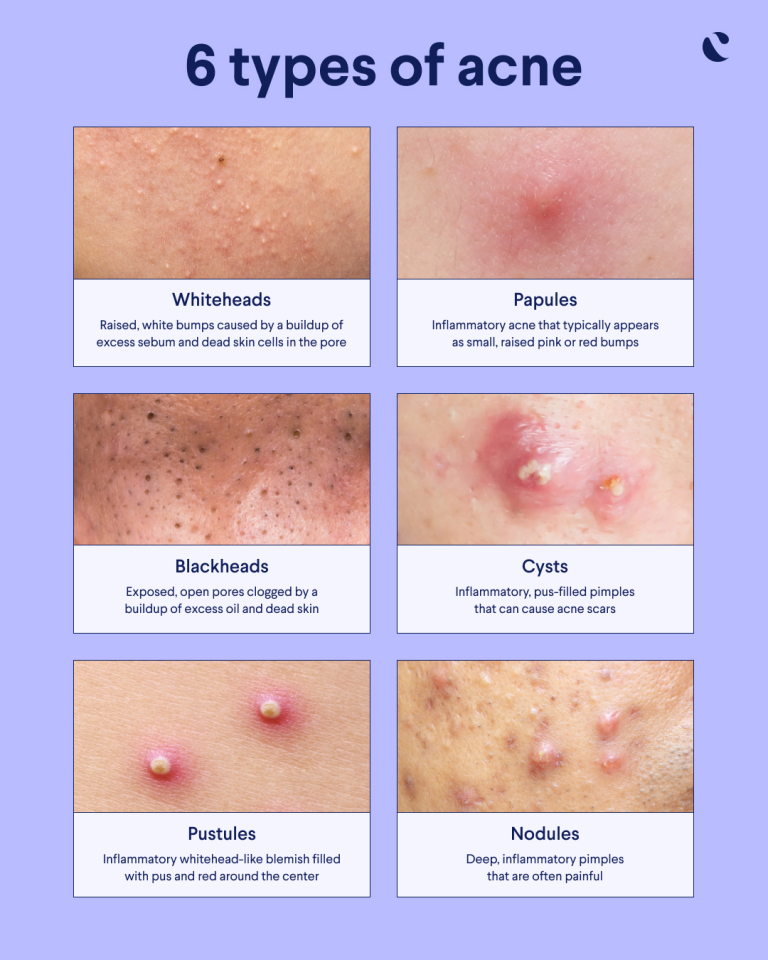
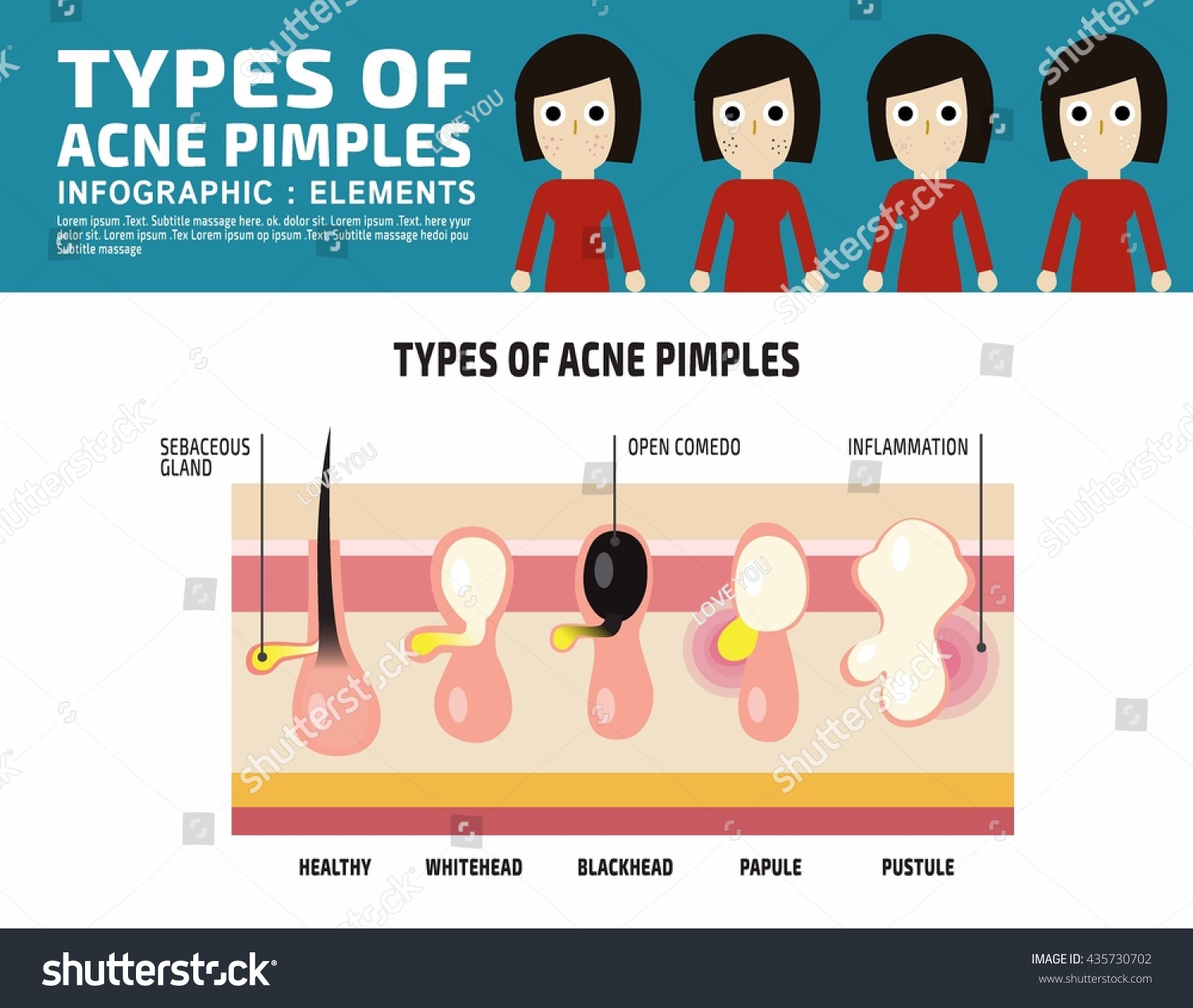
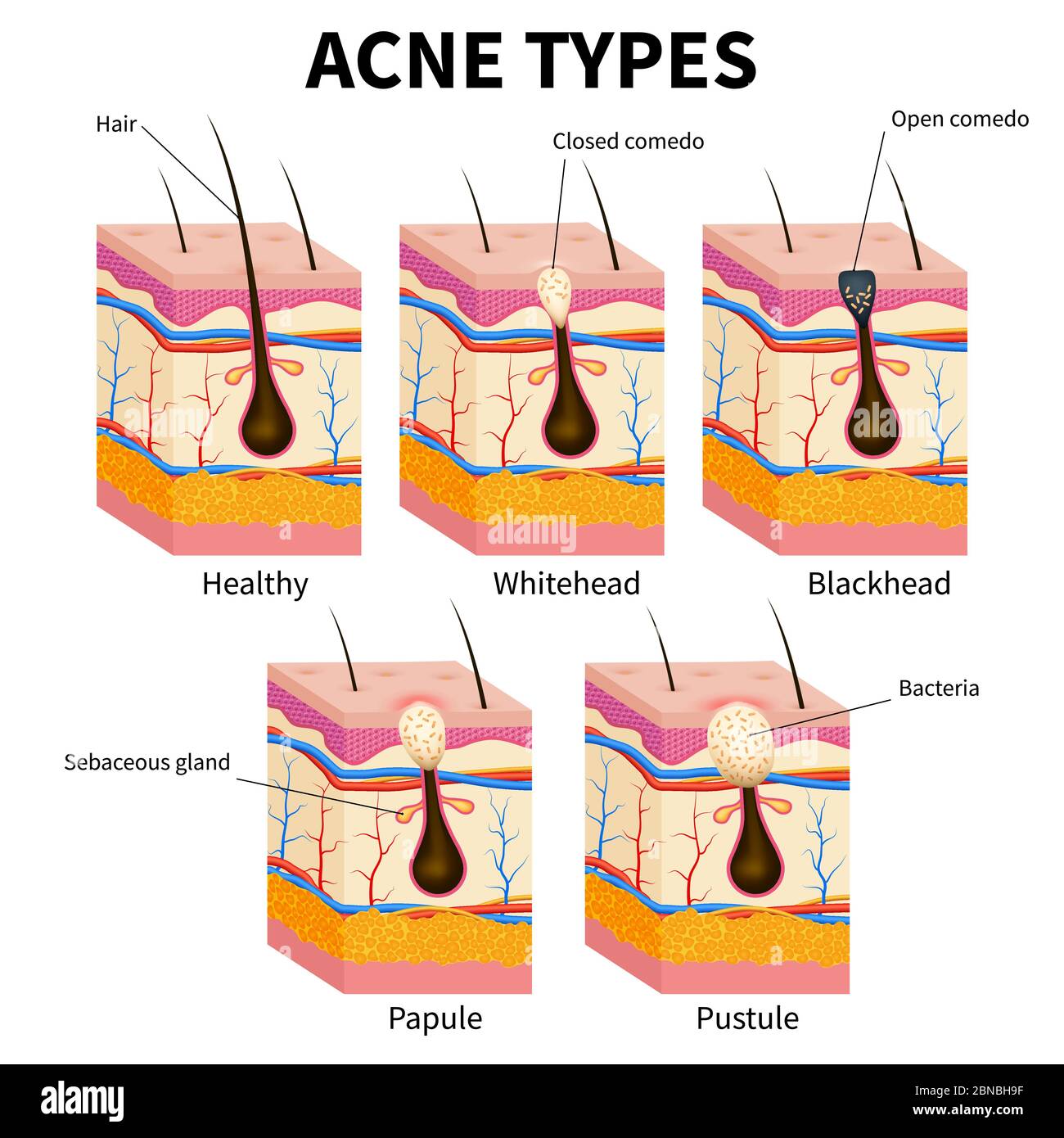
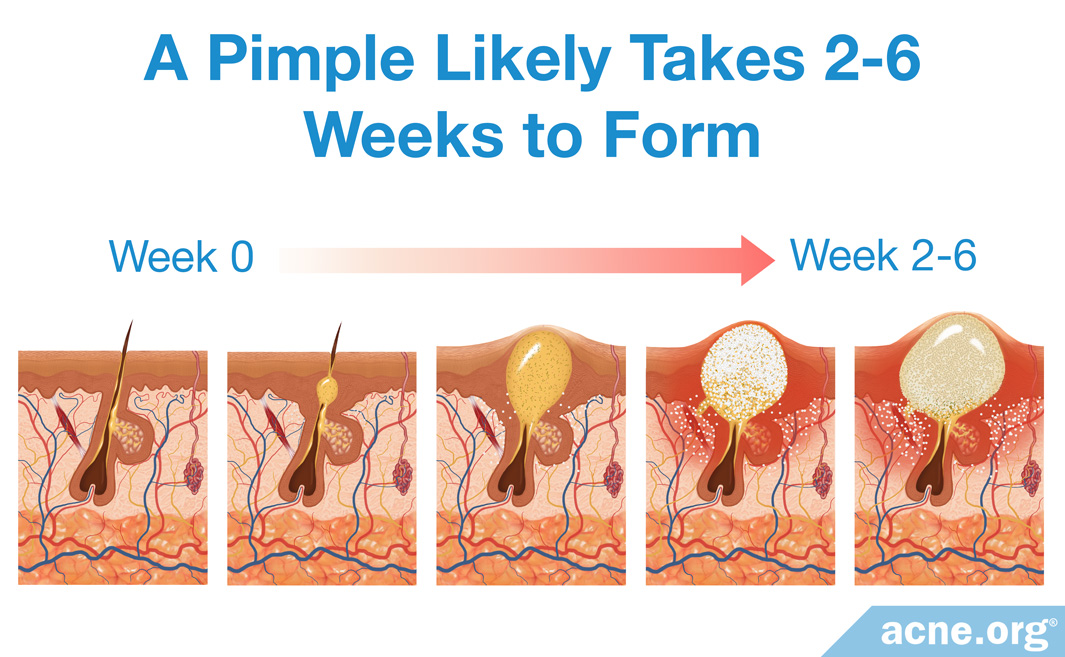
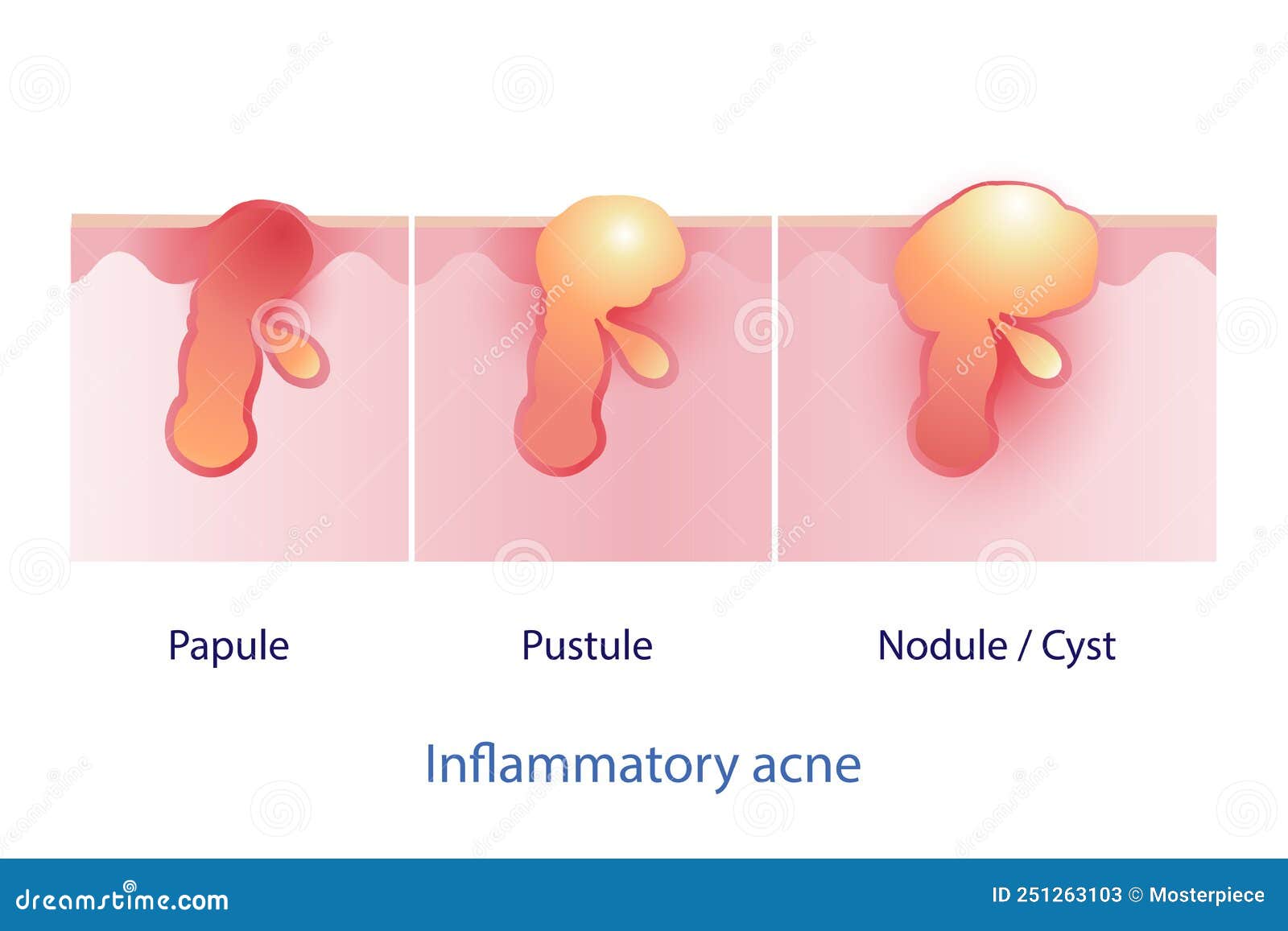
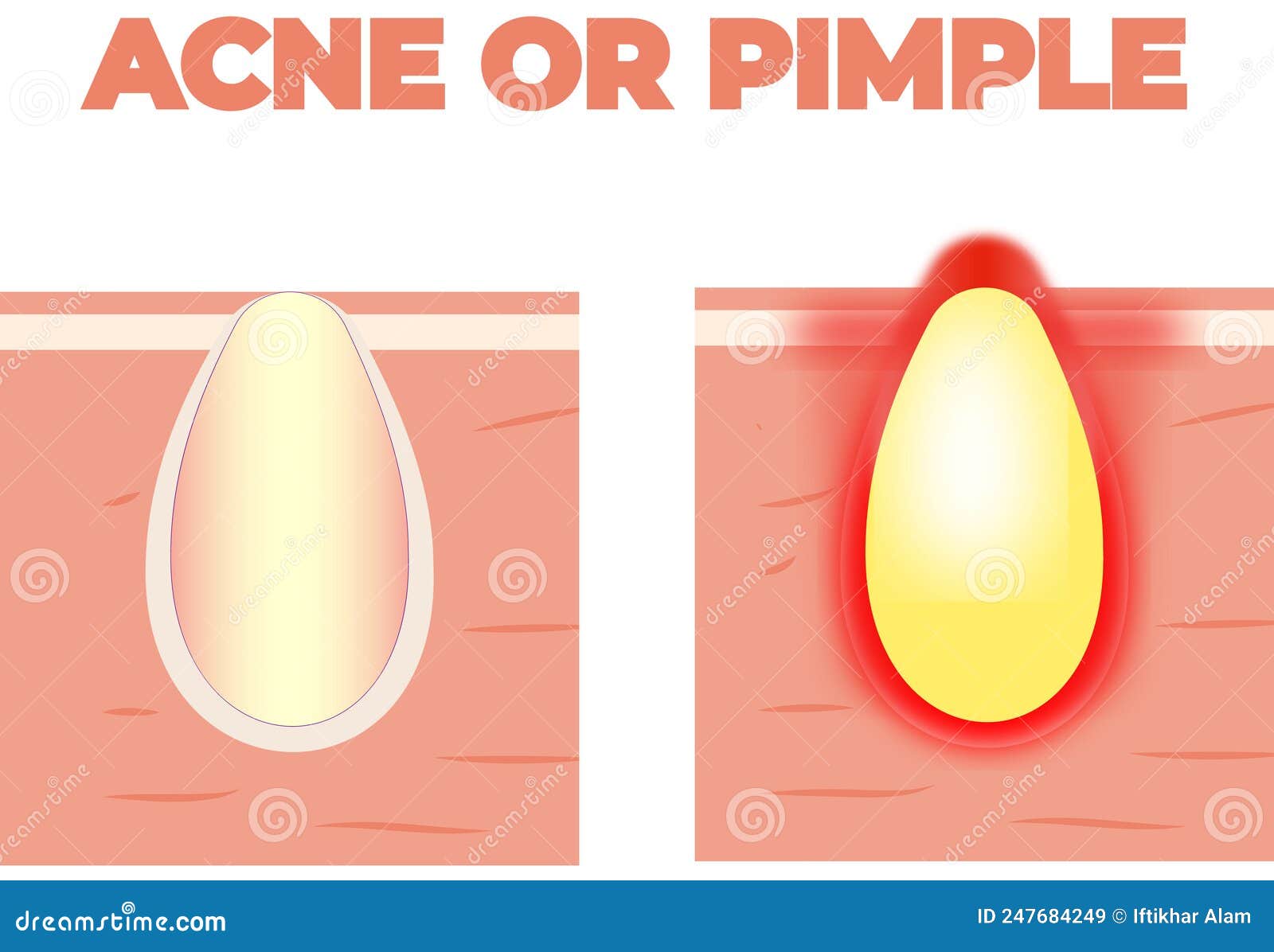
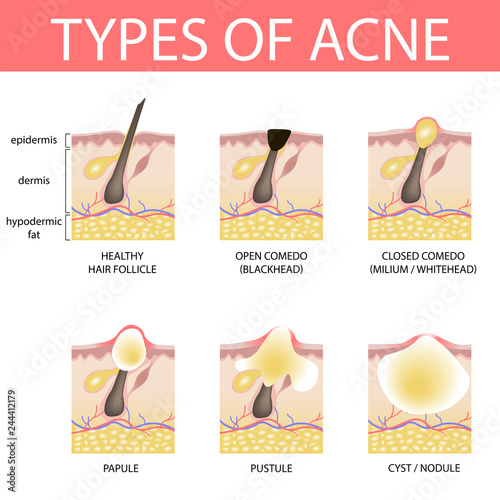
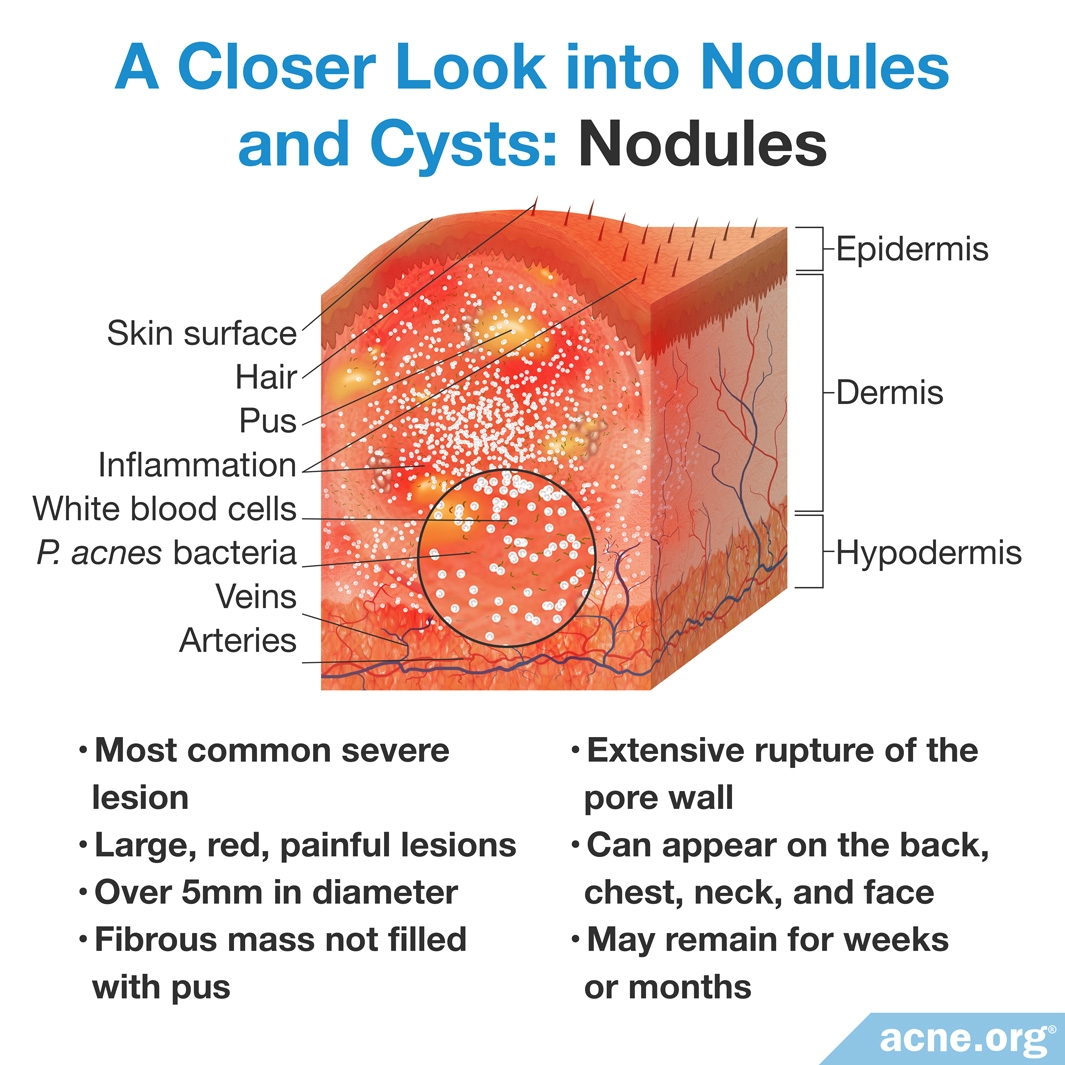
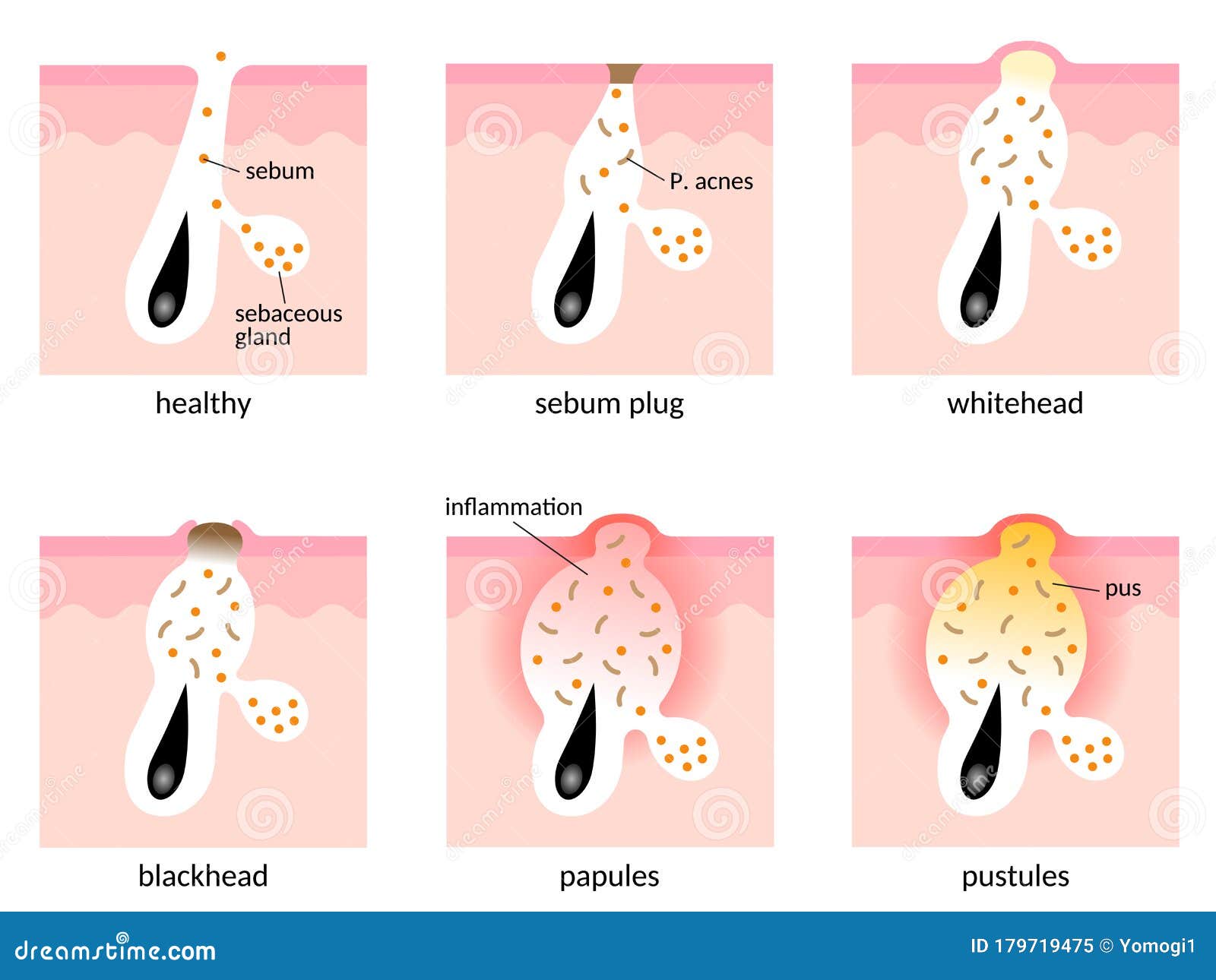
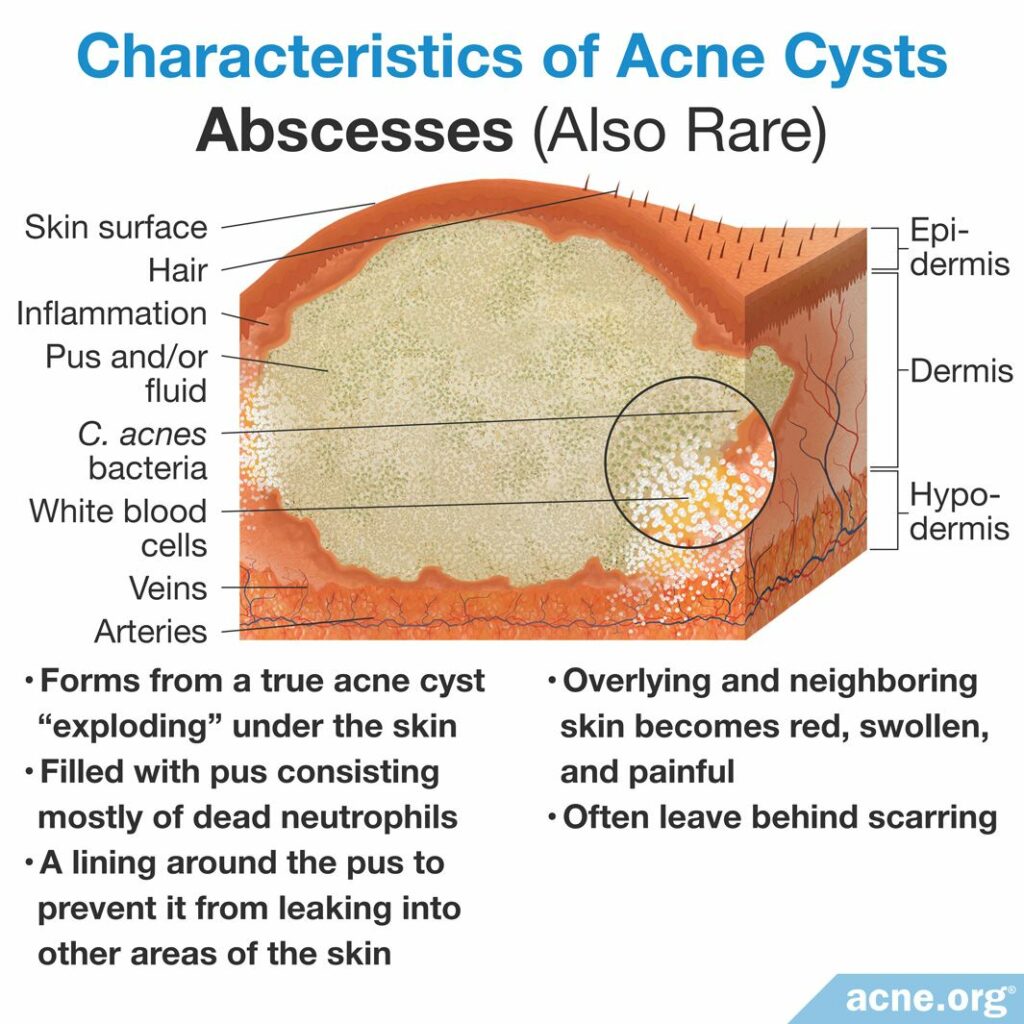
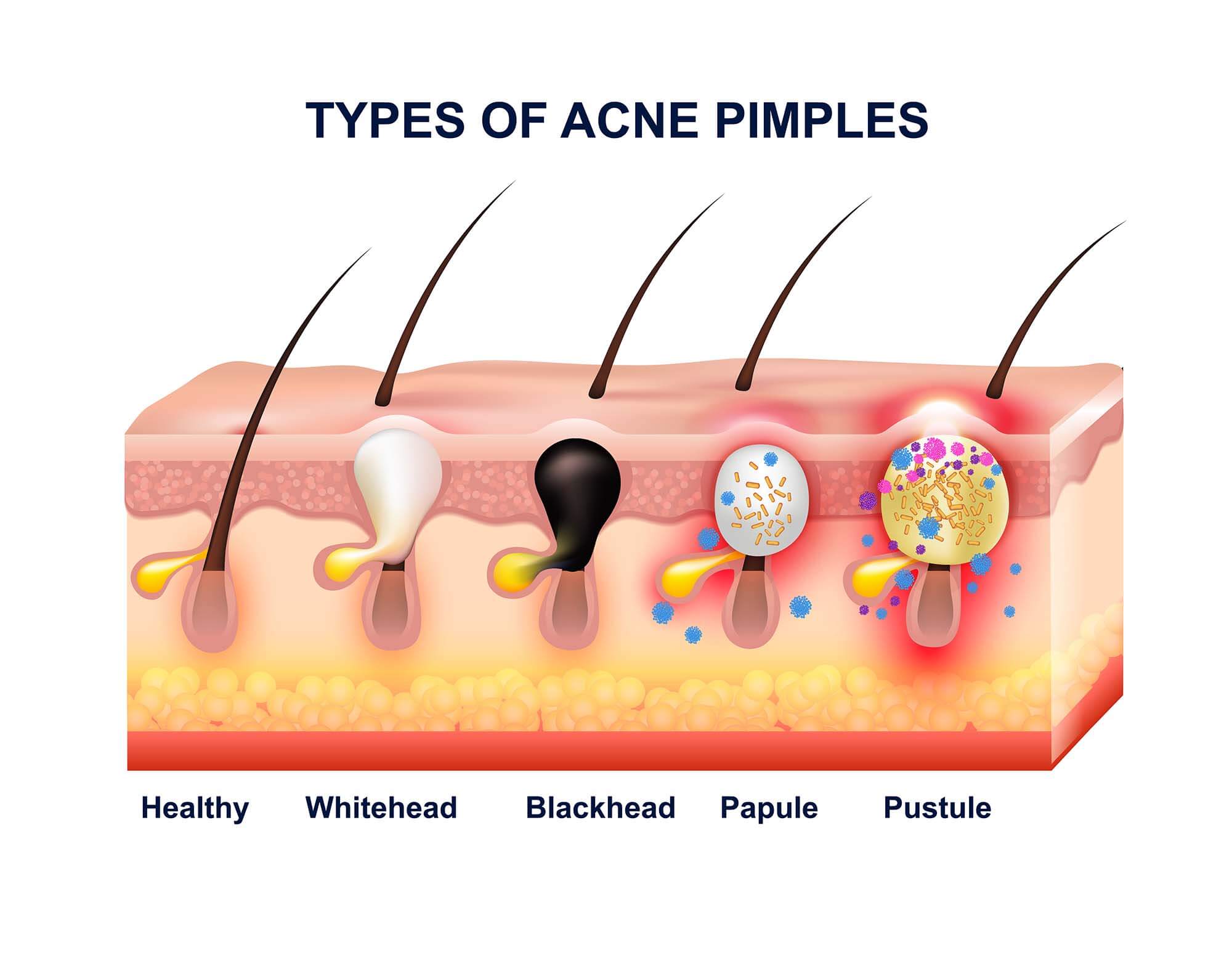
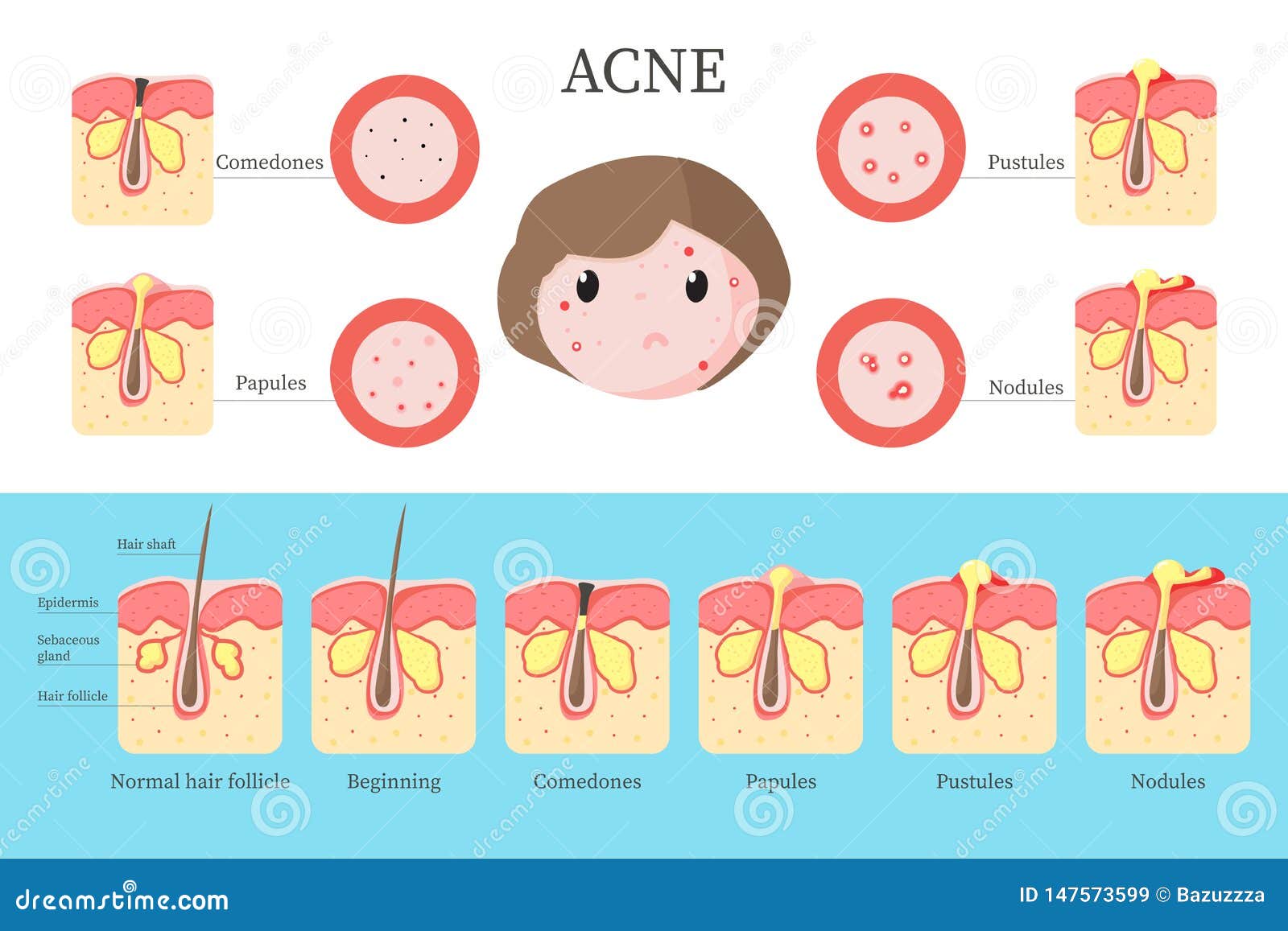
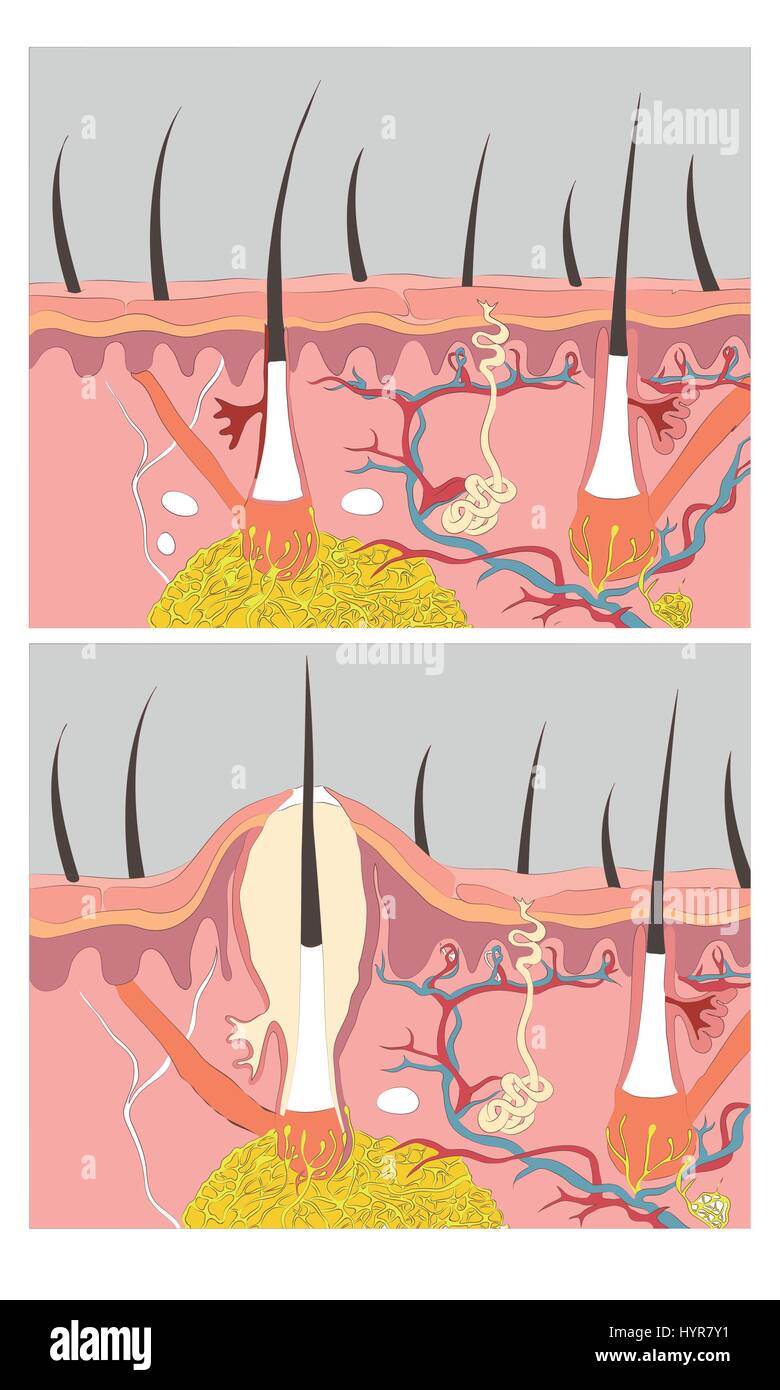
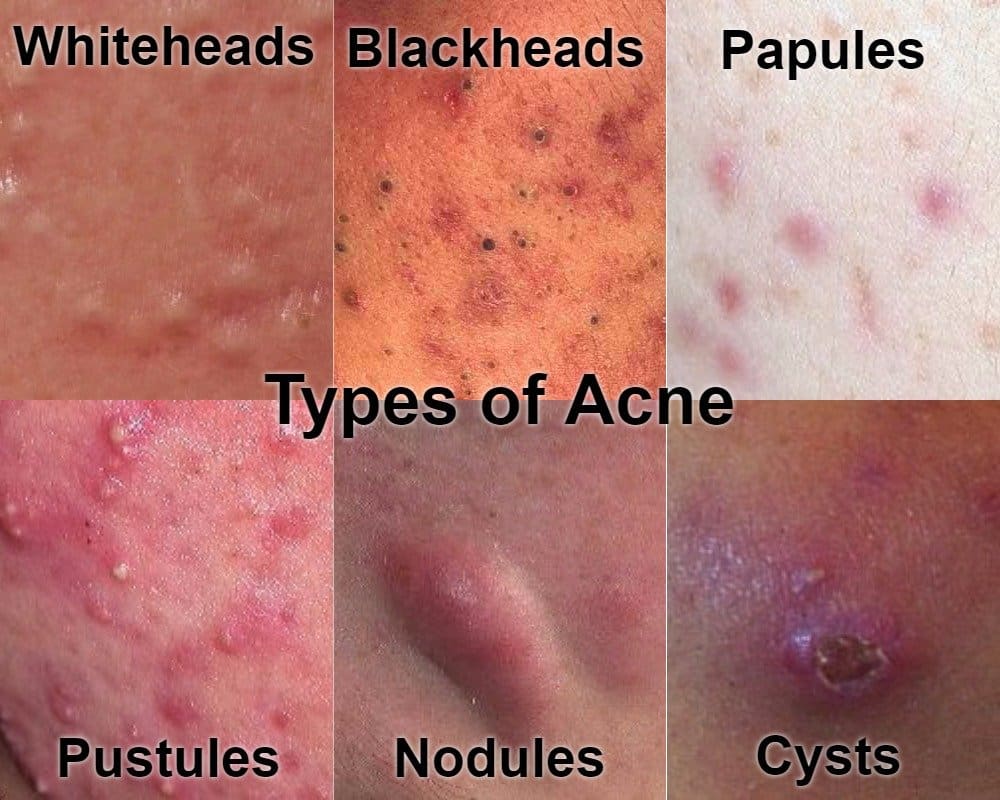
Key Takeaways: Pimple Anatomy Pimples contain various components: They include pus, dead skin cells, and bacteria. Types of pimples vary significantly: Understanding whiteheads, blackheads, and cysts is crucial. Formation involves multiple steps: Excess oil, clogged pores, and inflammation lead to pimples. Pus is a complex mixture: It comprises dead white blood cells, bacteria, and tissue.. Following up with Rescue Balm after the gunk is gone will help soothe and replenish post-pimple skin. Nodules. Also inflammatory, but not as easy to treat as pustules, nodular acne can occur when Cutibacterium acnes (C. acnes) bacteria gets trapped under the skin, ultimately leading to infection and inflammation.








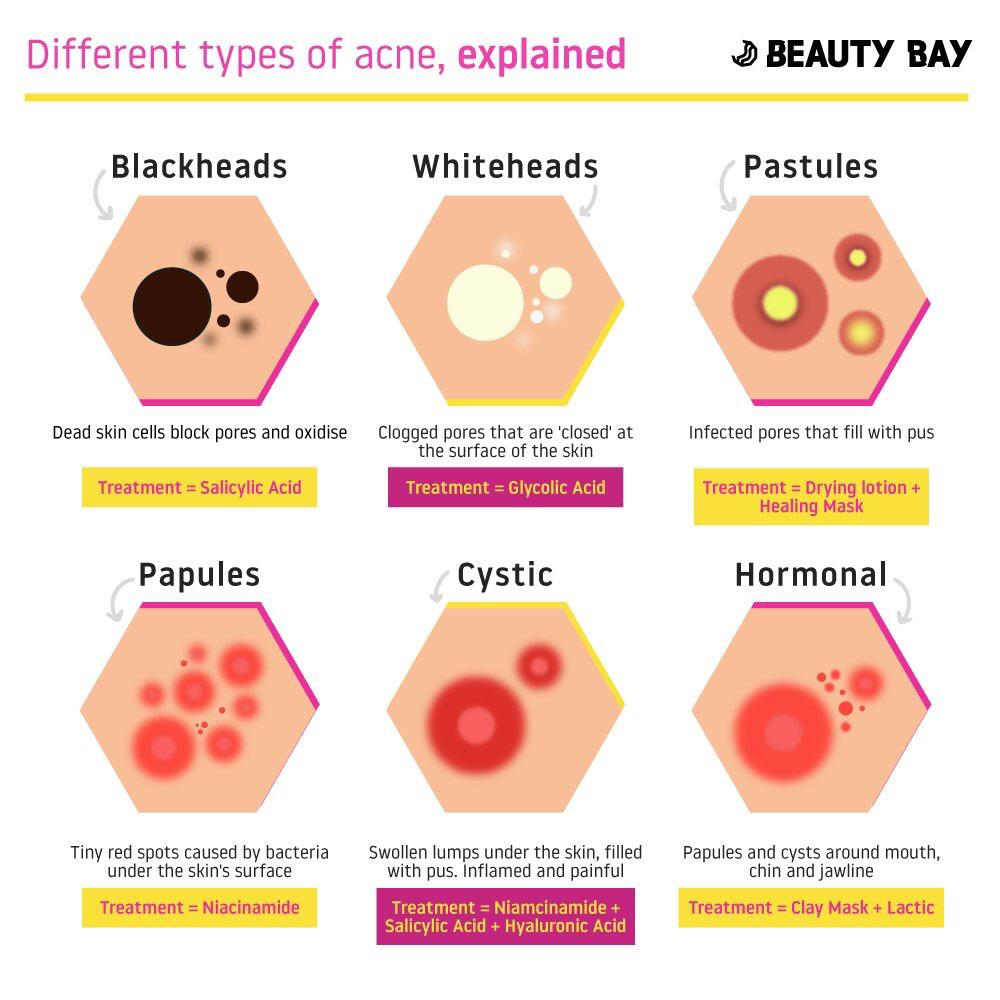


Hairline acne can sometimes be called "pomade acne." Pomades are thick, oil-based products that clog the pores and cause acne breakouts. If you find most of your pimples clustered around the rim of your head, it's best to stop using oil-based hair products and switch to non-comedogenic alternatives, including shampoos and conditioners.. The best treatment for inflamed pimples. It's time to bring out the big guns: Dr. Lee suggests using powerful, targeted acne fighters to treat inflammatory acne.In addition to salicylic acid and retinol, she recommends using benzoyl peroxide to kill acne-causing bacteria. If you're noticing breakouts on a monthly basis, you may be dealing with hormonal acne, which is triggered by.