Duck feathers possess a tightly interlocked system of barbs that trap air, which helps the birds float, the trapping air being vital. When ducks need to dive underwater, they can squeeze the air out by pressing their feathers, and trap air again after resurfacing and shaking off.. Understand the remarkable interplay of natural design and fundamental science that allows ducks to float so gracefully.

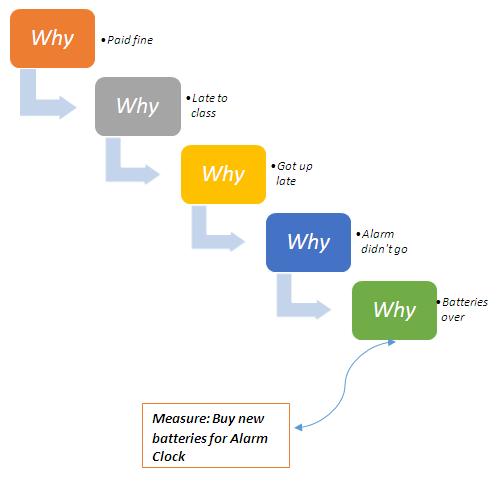
5 Whys Technique, 5 Why Analysis and Examples
5 Whys
5 Whys
Content Ohana Why Ask Why to Inspire Readers?
Create stories with Data The 5 Why's The Data School
whytheads Learn About Nature
The 5Why Analysis
The 5Why Analysis
200 + 무료 Why Why Why Why Why & 왜
5 Whys Definition & Meaning Supply Chain (SCM) & Operations
Root Cause Analysis Definition, Methods, And AI Fogwing
The Five Whys (Root Cause Analysis) Creative Safety Supply
Why Text Question · Free image on Pixabay
5 Why Methodology Concept Stock Photos Image 27809453

Ducks are some of the most recognizable creatures in the avian kingdom, but how do ducks float? Discover some fun duck adaptations in this article.. Ducks are able to float due to their natural buoyancy - the fact that they are lighter in mass than the water that they displace. This buoyancy is the result of three traits unique to waterfowl: their hollow bones, the air sacs that their bodies contain, and their oiled (and therefore water-repellent) feathers.